

EST. YOUR FRESHMAN YEAR

The College Rice Purity Test

The dorm-to-diploma edition: 50 questions about all-nighters, dining hall regrets, and the four (or five, or six) years that shaped you. Because purity was never really the point of college.

0 / 50 checked

Part 1 of 5

Part 2 of 5

Part 3 of 5

Part 4 of 5

Part 5 of 5

How This Works

The Checklist That Used To Be Your Name Tag

Vintage illustration of a college student pinning a checked-off questionnaire to his sweater like a name tag, with classmates comparing sheets near a stone archway

At Rice University, incoming freshmen used to get handed a sheet of questions during orientation week, cross off what applied, and pin the result to their shirt — so the first thing anyone learned about a new student was their score.

This edition keeps the same format: fifty questions, tick what's true, and the number you land on is yours to share or keep quiet about. No additions, no theme — the same list that's been passed hand to hand through dorms for decades.

Most people still take it the way it was always taken — a dorm floor, phones out, someone reading the questions aloud while everyone taps in silence, then a round of "wait, that counts?" The two questions people quietly skip and admit to later are the ones about lying to parents and about a crush on a teacher — nobody wants to tick those out loud.

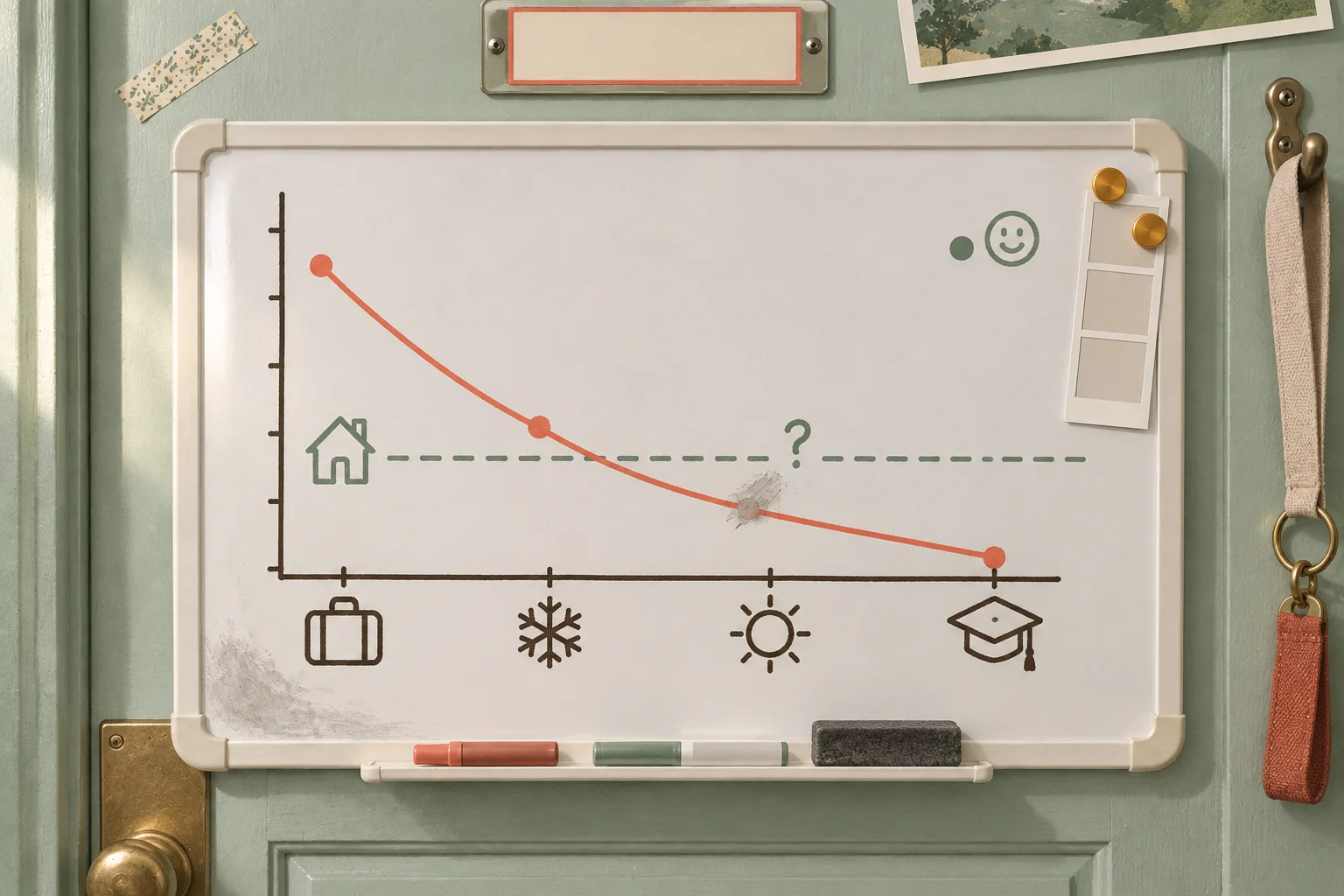
A whiteboard with a line graph sloping downward across four points labeled move-in, winter, spring, and graduation
After You've Revealed

The Score Slides About Ten Points A Year

No official scale — just what the averages tend to show.

Move-In

Most freshmen arrive somewhere in the 70s or 80s. The drinking and dating boxes are half-filled; the police and hospital ones are still blank.

End Of Year One

Ask the same people back in April and most have dropped about ten points.

Senior Year

The group-chat comparison is usually happening somewhere in the 30s to 50s by now.

The Holdout

There's always one person still in the 80s, and one who stopped sharing their number sophomore year.

Roughly a quarter of the fifty questions are about romance and dating, another quarter cover the physical side the test is known for, and the rest splits across alcohol, drugs, run-ins with police or campus security, cheating, and lying to parents — plus a few campus-specific oddities left over from the original list. A 90 and a 30 sat next to each other at orientation and both got invited to the same party.

An open shoebox of college keepsakes — a graduation cap, checked-off questionnaires, a trophy, ticket stubs, and a cassette tape
Worth Knowing

It Started As A Way To Rank Women

The original version, written in the 1920s, was only given to women — ten questions, meant to line them up against each other by how much they'd done. Men didn't take a version until 1974, and the word "pure" is a leftover from that era, back when a low score carried a judgment the modern list doesn't pretend to make.

Students kept it anyway, partly because it's funny and partly because it works as a time capsule. Take it during your first week, take it again at graduation, and the gap between the two numbers ends up saying more about four years than most photo albums do.